Episode 17 · Original EditionHANDOFF GAP · 12:20 · Resource
The Most Dangerous Part of a Workflow Is the Handoff
A handoff is not complete when one person lets go. It is complete when the next person clearly takes ownership.
Kasence Flow Insights
Practical insights into the customer processes, employee handoffs, follow-up, and connected systems that keep small businesses moving.
Take the Kasence Flow CheckCompanion worksheet
Download the Handoff Clarity Worksheet.
A handoff is one of the most fragile moments in a business process. One person may finish their part, send the information, and believe the work has moved forward — while the next person never clearly receives it, accepts ownership, or knows what should happen next. Episode 17 examines the Handoff Gap and why a handoff is not complete when one person lets go. It is complete when the next person clearly takes ownership. The episode shows how clearer information transfer, receipt confirmation, ownership, next actions, verification, and exception handling can create a safer business flow.
WORK COMPLETED → HANDOFF → CONFIRM RECEIPT → ACCEPT OWNERSHIP → NEXT ACTION → VERIFY → OUTCOME
A handoff is not complete when one person lets go. It is complete when the next person clearly takes ownership.
Use the Episode 17 Flow Check:
WHAT YOU’LL LEARN — Why “sent” is not the same as “received”
Why receiving work is not the same as accepting ownership
What information needs to move with the handoff
How Business Flow and Connected Systems support clearer responsibility
Why incomplete handoffs need a visible exception path
A seven-stage process for moving work safely from one owner to the next
Ready for a second set of eyes?
Take the Kasence Flow Check Request a Business Flow Review Previous Episode: Why Customers Don’t Know What Happens Next After They Say YesNext episode · October 13, 2026 · 6:00 PM CT
Kasence Flow Insights 18 · COORDINATION FRICTION — Why Employees Spend So Much Time Coordinating Routine Work
The library
Focused guidance across the three parts of a stronger service business: Customer Care, Business Flow, and Connected Systems.
A handoff is not complete when one person lets go. It is complete when the next person clearly takes ownership.
A customer saying yes should create clarity. Episode 16 examines what should happen immediately after commitment — from confirmation and ownership to expectations, next actions, updates, and visibility.

Customers do not always ask for the solution that best addresses their real need. Episode 15 looks at how better discovery helps employees understand the outcome before deciding whether the answer is yes, an alternative, a referral, or an informed no.
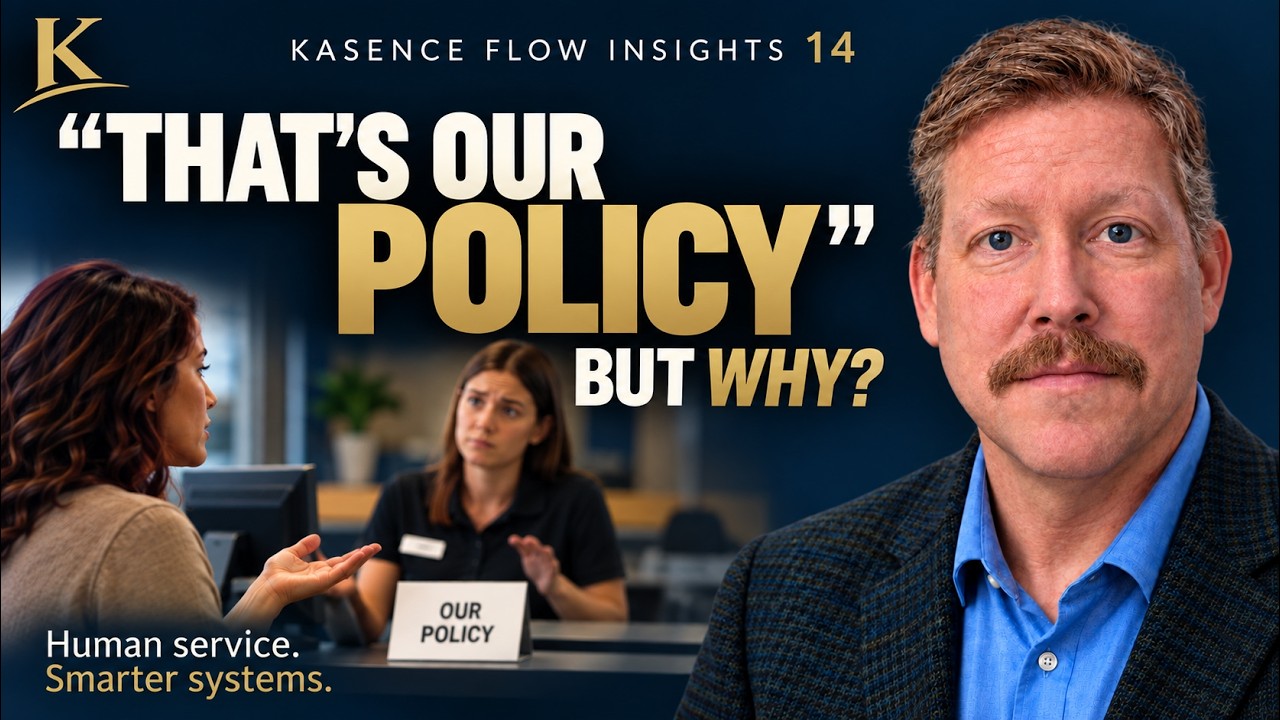
A policy can be necessary and still create a frustrating customer experience. Learn how acknowledgement, explanation, available options, clear escalation, and front-line feedback can make business boundaries easier for customers and employees to navigate.
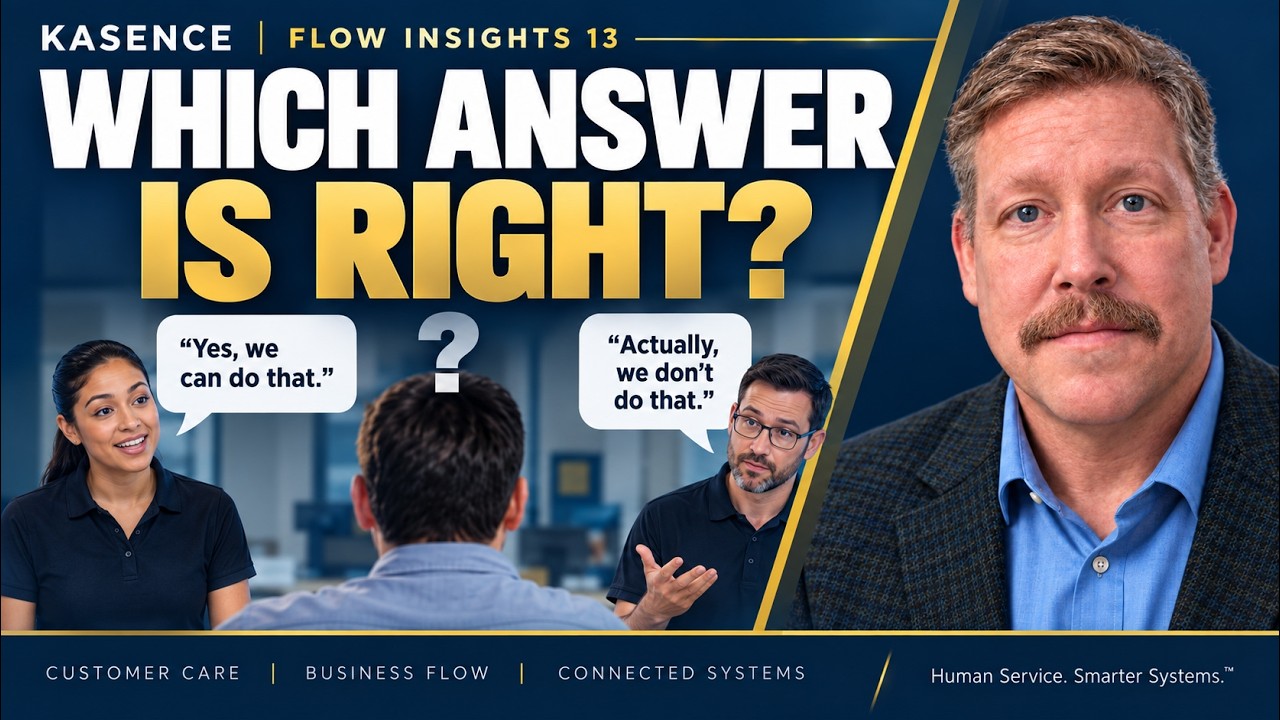
When customers receive different answers from different employees, the problem may be deeper than training. Learn how clear rules, documented exceptions, shared knowledge, verification, and better systems can create more consistent customer experiences.
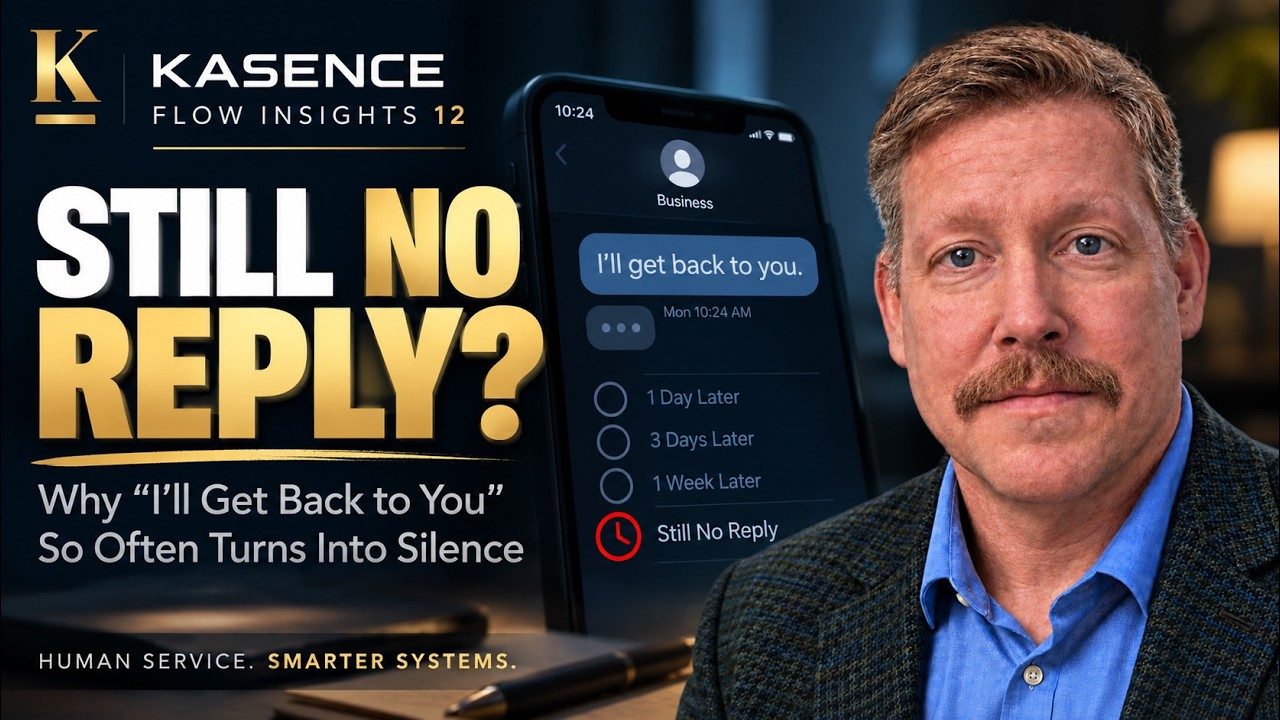
“I’ll get back to you” creates a real customer commitment. Learn how ownership, timing, shared visibility, reminders, updates, and closure can prevent follow-up promises from disappearing into the workday.
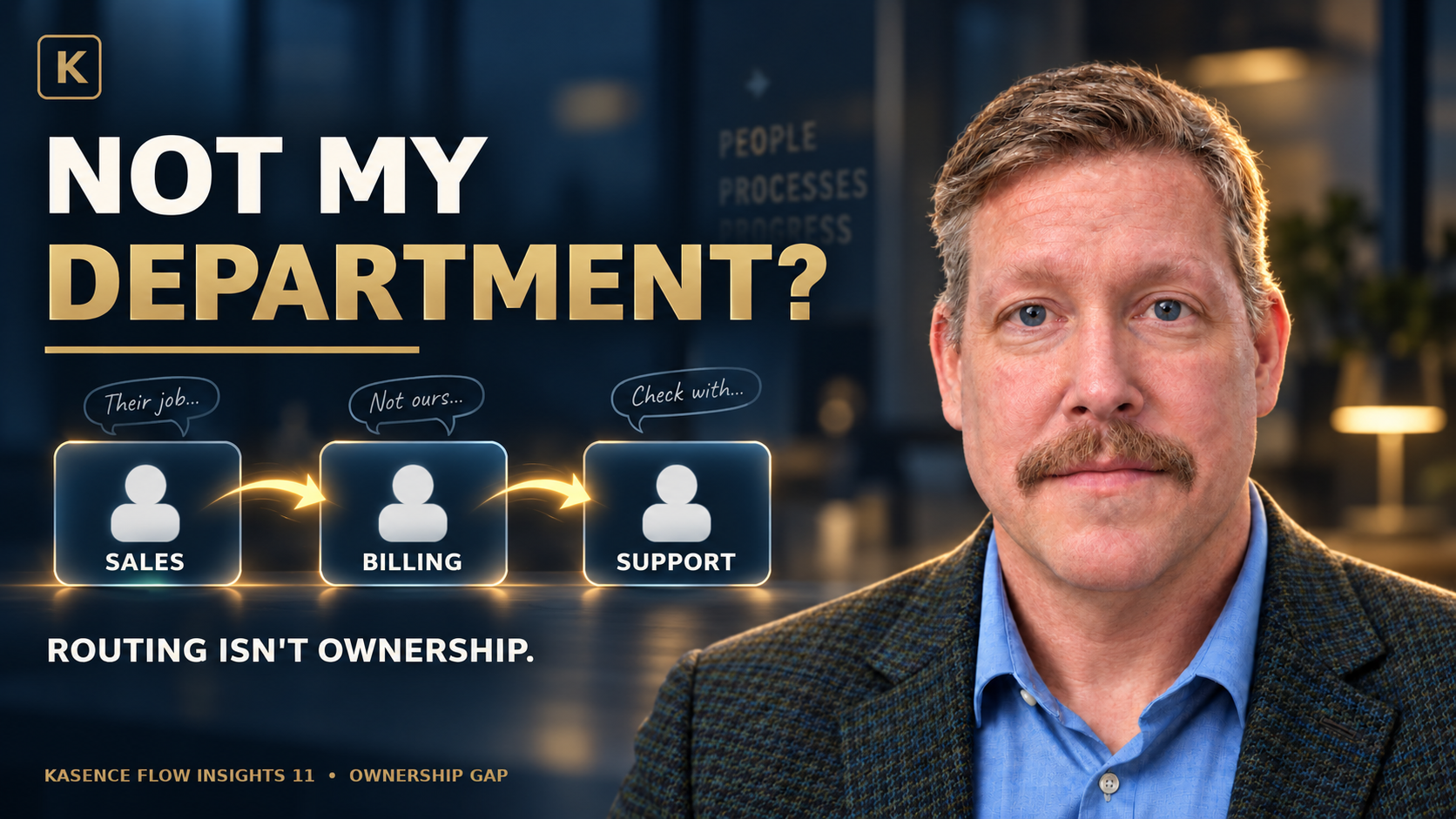
When a customer request crosses employees or departments, routing alone is not enough. Learn how clear ownership, warm handoffs, shared visibility, and escalation can help the business own the journey instead of leaving the customer to navigate it.
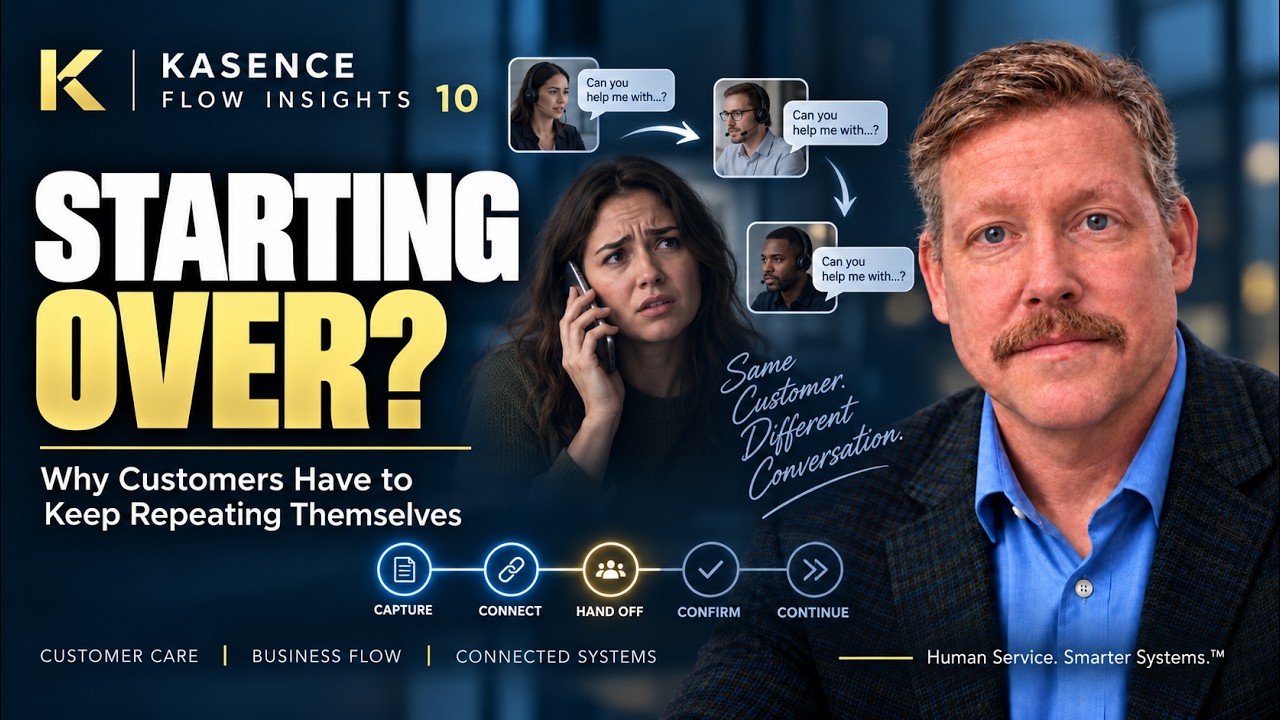
When customer context does not move with the work, customers become responsible for carrying their own history between employees. Learn how better handoffs and connected systems can help employees continue the conversation instead of restarting it.
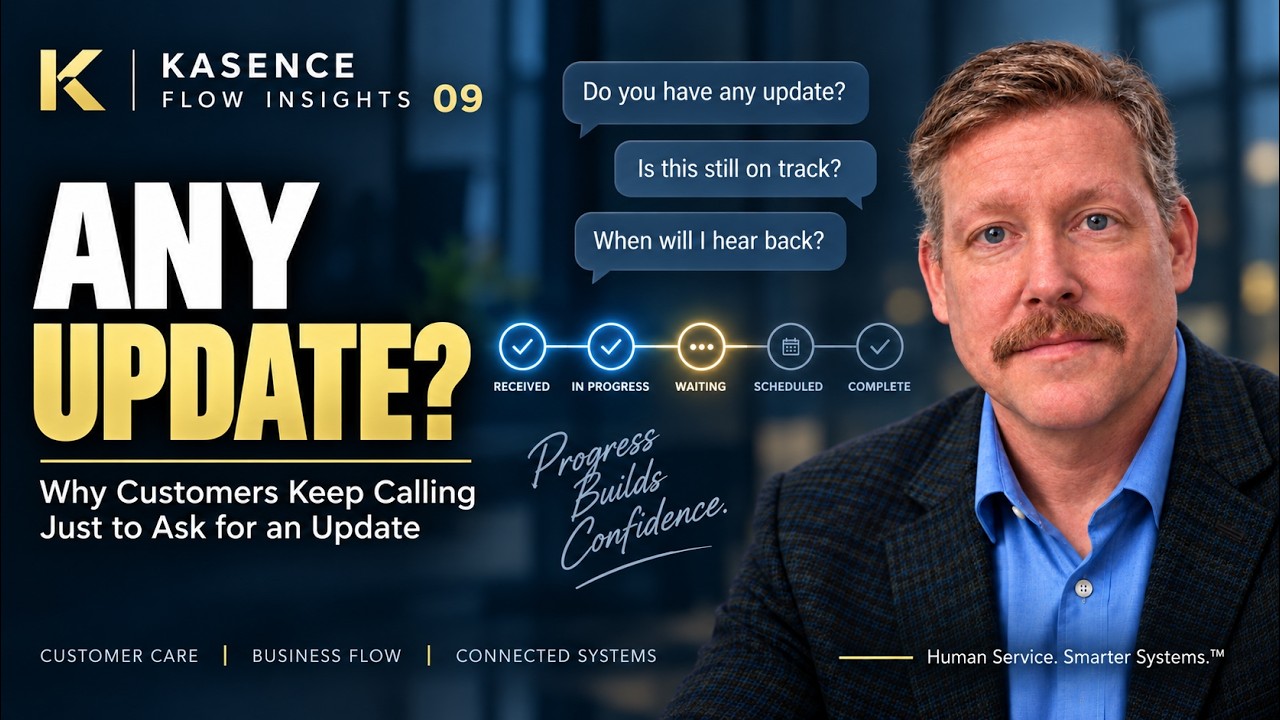
Customers often call for updates because work happening inside the business is invisible to them. Learn how ownership, expectations, meaningful milestones, and connected systems can make progress easier to see.
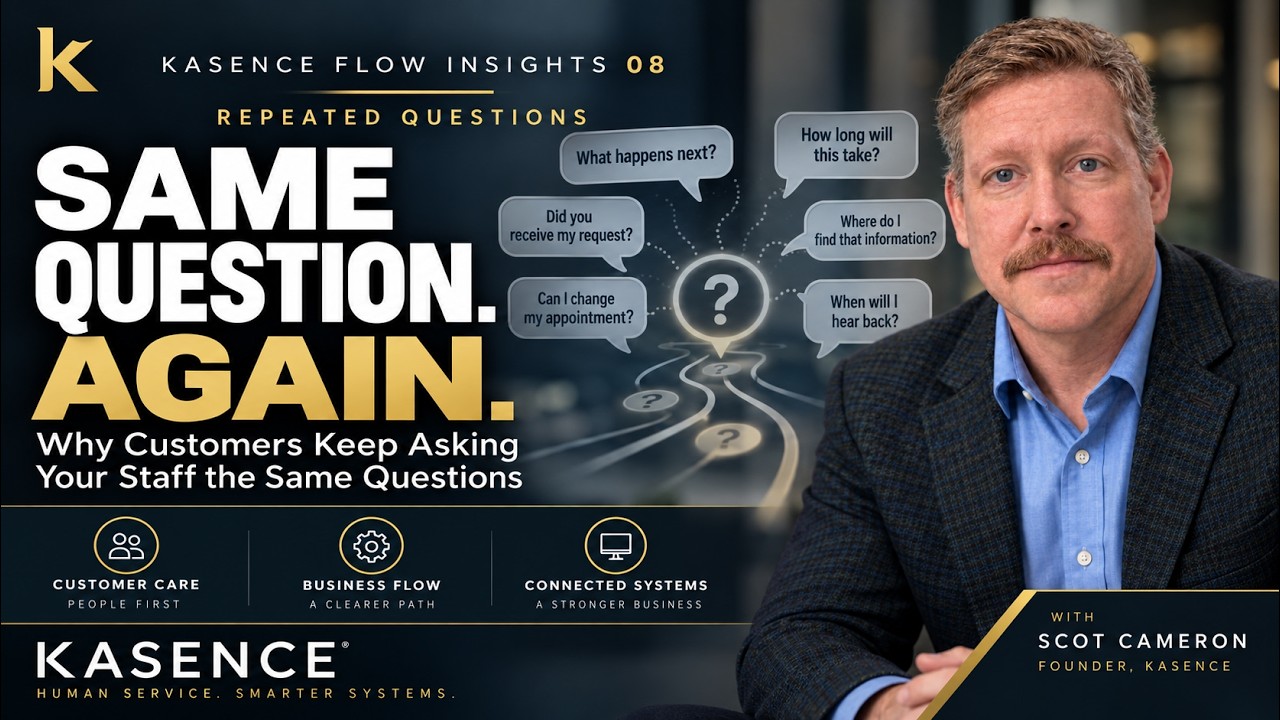
Repeated customer and employee questions can reveal missing information, invisible processes, tribal knowledge, and disconnected systems. Learn how to put clearer information into the flow at the moment people need it.

A more consistent customer experience comes from defining the important moments, supporting employees with clear decision paths, and making information visible across the business.

A reliable after-hours process gives customers clarity while making ownership and follow-up visible to the business.

Why customer requests become unresolved when ownership, handoffs, status, visibility, and next actions are unclear.
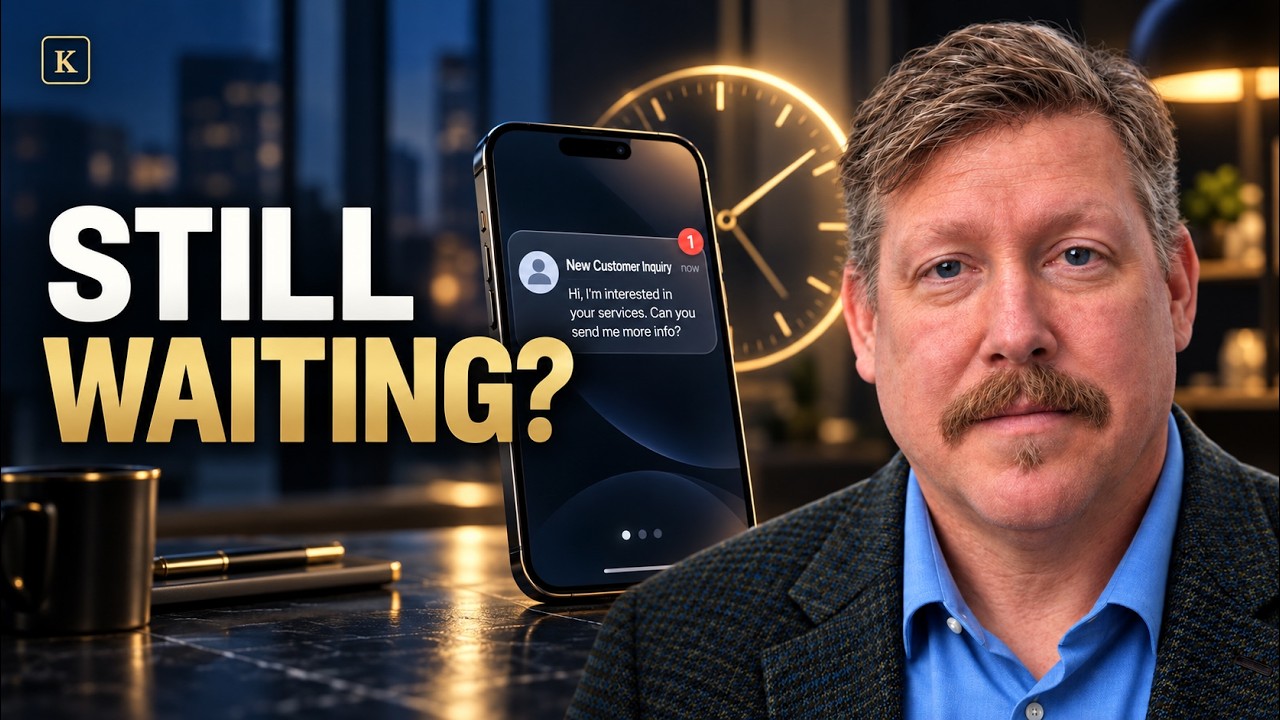
When a new customer reaches out, does the right person know who should respond—and when?
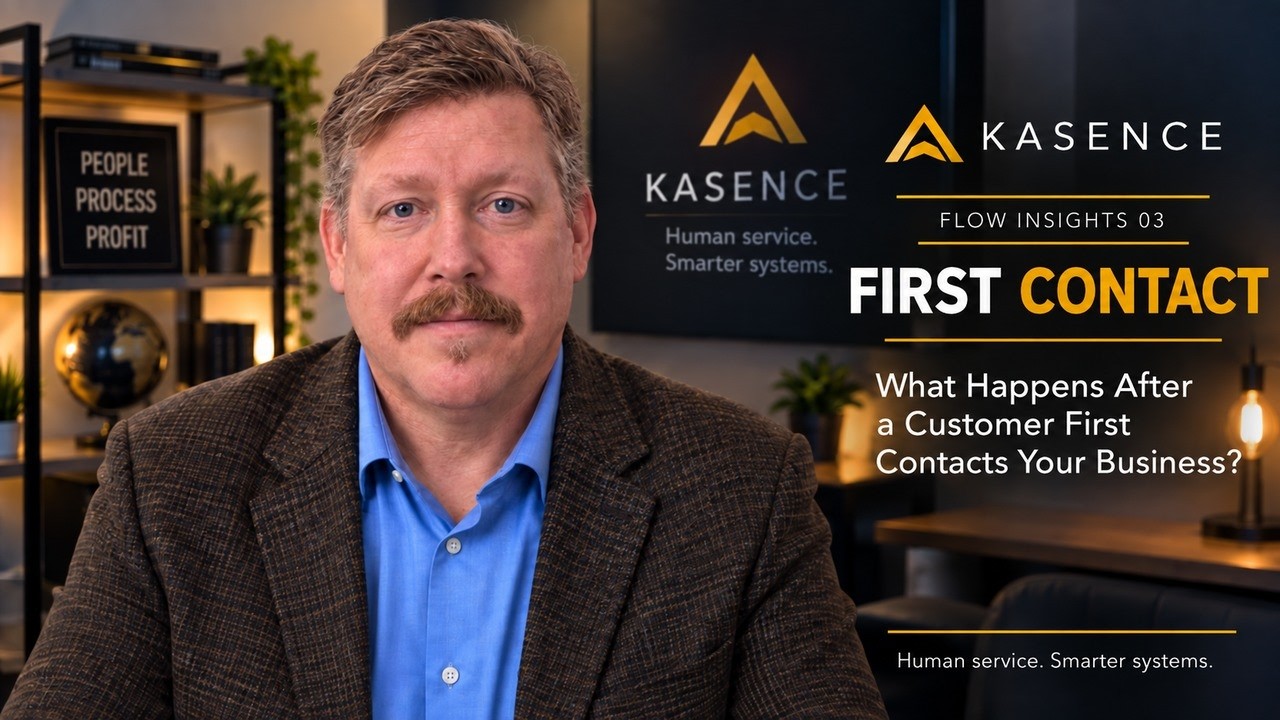
Capturing a customer request is not the same as owning what happens next. This episode examines the gap between receiving a customer contact and someone actually taking responsibility for the next step — why requests can exist inside a business without a clear owner, how unclear assignment creates delays and lost opportunities, and how a clear first-contact process turns information into responsibility.
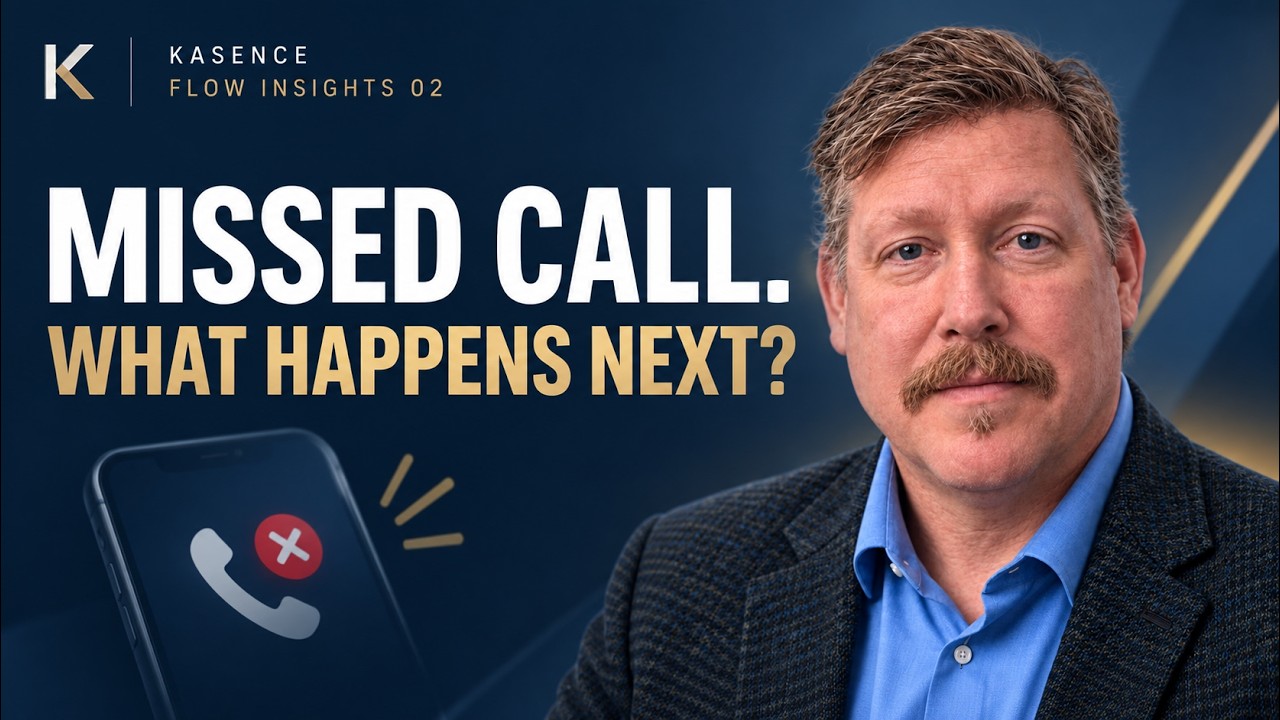
A missed call is not necessarily the real problem. The bigger question is what happens next. This episode examines what should happen after a customer calls and nobody answers, including how the request is captured, acknowledged, assigned, responded to, followed up, and tracked to an outcome. It also looks at how missed-call problems affect Customer Care, Business Flow, and Connected Systems — and why the phone system can work correctly while the response process around it still fails.
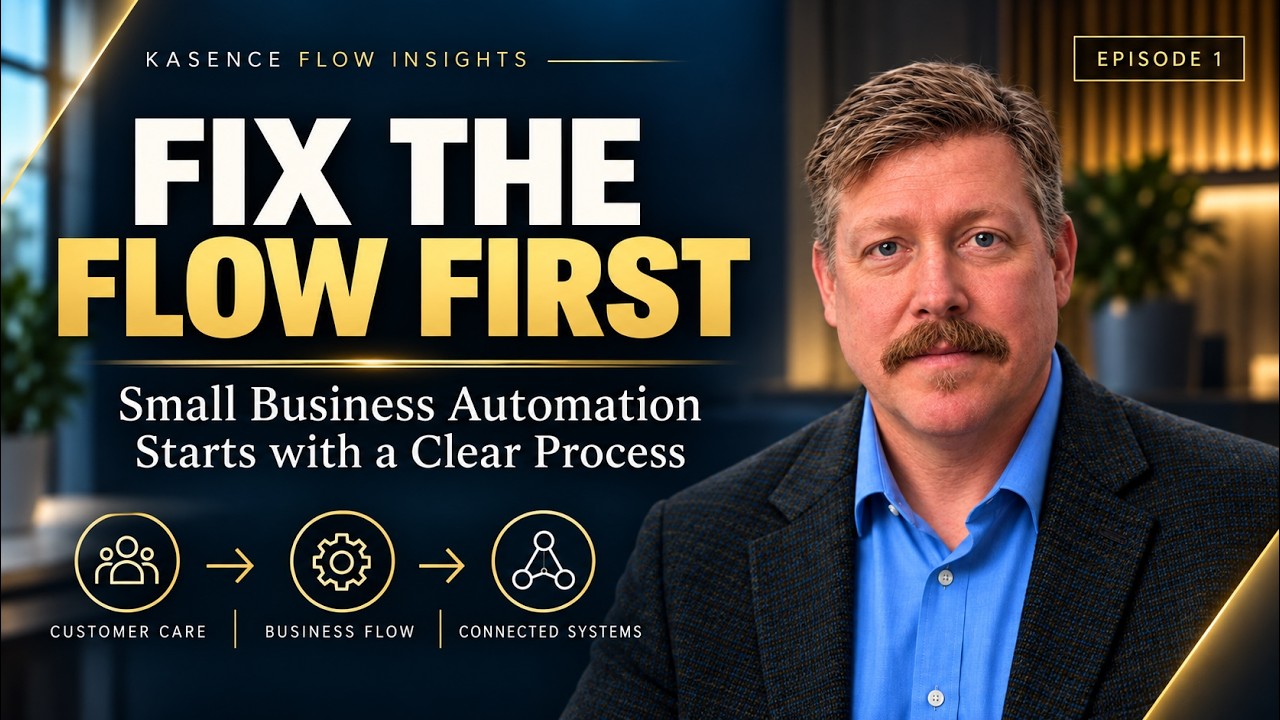
Small business automation cannot fix an unclear process by itself. This episode examines what happens between a customer request and the eventual outcome, why ownership and follow-up gaps occur, and why the flow should be designed before automation is added.
Kasence Flow Insights Shorts
Quick ideas for finding friction in customer service, business flow, and connected systems.

Short 001
From Flow Insights 01: Fix the Flow Before You Automate
Watch ShortA clearer place to begin
Look at how customer requests, ownership, follow-up, and systems move through your business.
Take the Kasence Flow Check